
Intro
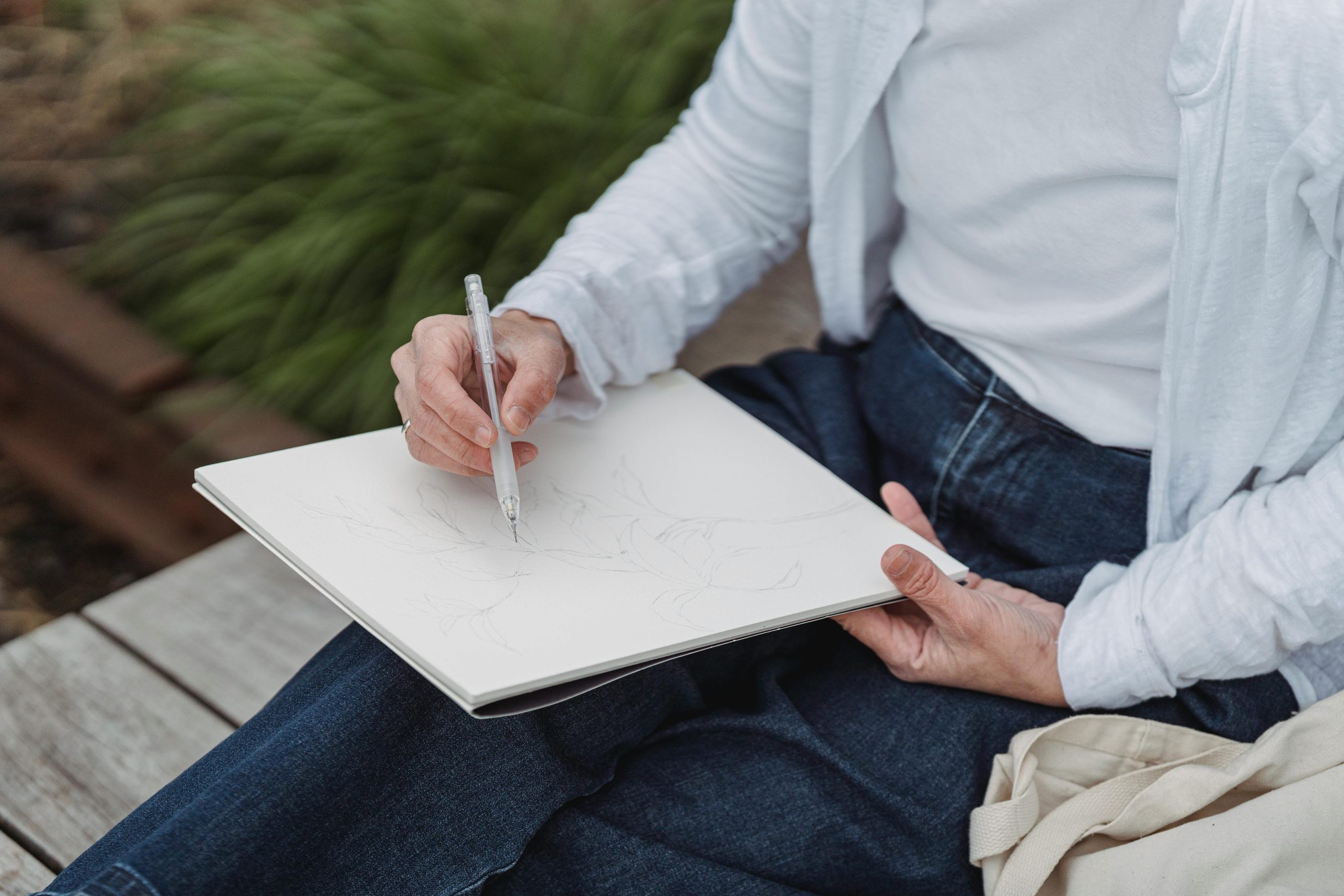
Picking your first sketchbook shouldn’t take this long. But walk into any art supply section and you’ll hit 300gsm paper, cold press vs. hot press, spiral vs. hardbound — and none of it means anything when you’re just trying to start drawing.
This guide cuts through the noise. You don’t need the fanciest sketchbook. You need one that’s forgiving, practical, and easy to actually use every day. Here’s what to look for and the best beginner-friendly options right now.
If you’re searching for the best sketchbooks for beginners, you don’t need the most expensive option or the highest paper weight. You need something that feels approachable, forgiving, and easy to use consistently.
Most beginner mistakes don’t come from skill—they come from using paper that:
- Bleeds too easily
- Feels too precious to “mess up”
- Doesn’t match your medium
The best sketchbooks for beginners remove that friction so you actually draw more.
This guide breaks down what actually matters and the best beginner-friendly sketchbooks to start with.
Quick Comparison
| Sketchbook | GSM | Why It’s Good for Beginners |
|---|---|---|
| Strathmore 400 Drawing | 163gsm | Forgiving surface |
| Canson Universal | 100gsm | Budget practice |
| Moleskine Art Sketch | 165gsm | Durable + portable |
| Arteza Sketch Pad | 110gsm | Affordable bulk |
Disclosure: This post may contain affiliate links, which means Pickory may earn a commission at no cost to you.
What to Look for in a Beginner Sketchbook
Paper Weight (GSM)
GSM stands for grams per square meter — it’s just a measure of paper thickness. For beginners, 100–165gsm is the sweet spot. Anything under 100gsm tears too easily under erasing pressure; anything over 200gsm is overkill unless you’re doing heavy wet media. Don’t let high GSM numbers convince you to spend more than you need to.
Forgiveness Over Perfection
The single most important quality in a beginner sketchbook isn’t the paper grade — it’s whether you’ll actually open it. Paper that feels too precious creates hesitation, and hesitation kills practice. Look for something that handles pencil erasure cleanly and doesn’t feel like you’re ruining it when you sketch loosely.
Matching Your Medium
Most beginners start with pencil, which works fine on almost any sketchbook in this guide. If you’re leaning toward ink, slightly heavier paper (140gsm+) reduces bleed-through. For light marker work, look for papers marketed as bleed-resistant. If you’re pairing your sketchbook with pencils, our guide to the best graphite pencil sets for sketching walks through which grades to start with.
Size and Portability
Smaller sketchbooks get used more — that’s just how it works. A5 or smaller is the sweet spot for most beginners because it’s easy to throw in a bag and pull out anywhere. Larger formats can feel intimidating, and an intimidating sketchbook is one that stays closed.
4. Size impacts consistency
This is underrated.
- Smaller sketchbooks → easier to carry → more consistent use
- Larger sketchbooks → more intimidating → used less often
For most beginners, A5 or smaller is the sweet spot.
Best Sketchbooks for Beginners
1. Strathmore 400 Series Drawing — Best Overall
The Strathmore 400 is the most recommended beginner sketchbook for a reason: 163gsm paper that handles pencil, light ink, and casual marker without complaint. It’s substantial enough to feel like quality but not so precious that you’ll hesitate to fill it with bad drawings — which is exactly what you should be doing. If you’re only buying one sketchbook to start, this is the one.
Pros:
- 163gsm paper handles multiple media without buckling
- Forgiving surface erases cleanly without tearing
- Widely available and consistently stocked
Cons:
Spiral binding isn’t everyone’s preference for lay-flat use
Not suited for heavy wet media like watercolor washes
2. Canson Universal Sketch — Best Ultra-Budget Starter
The Canson Universal is for one situation: you’re genuinely unsure if you’ll stick with drawing and want to spend as little as possible to find out. At 100gsm, it’s the lightest paper on this list, and it shows — but it handles pencil fine and costs almost nothing. Once you know sketching is a habit you’re keeping, upgrade from here.
Pros:
- Lowest price point on this list
- Handles pencil and light dry media adequately
- Good intro pad if you’re still deciding whether to commit
Cons:
Not suited for ink, markers, or anything wet
100gsm paper is thin and shows bleed-through easily
3. Moleskine Art Collection Sketchbook — Best for Portability
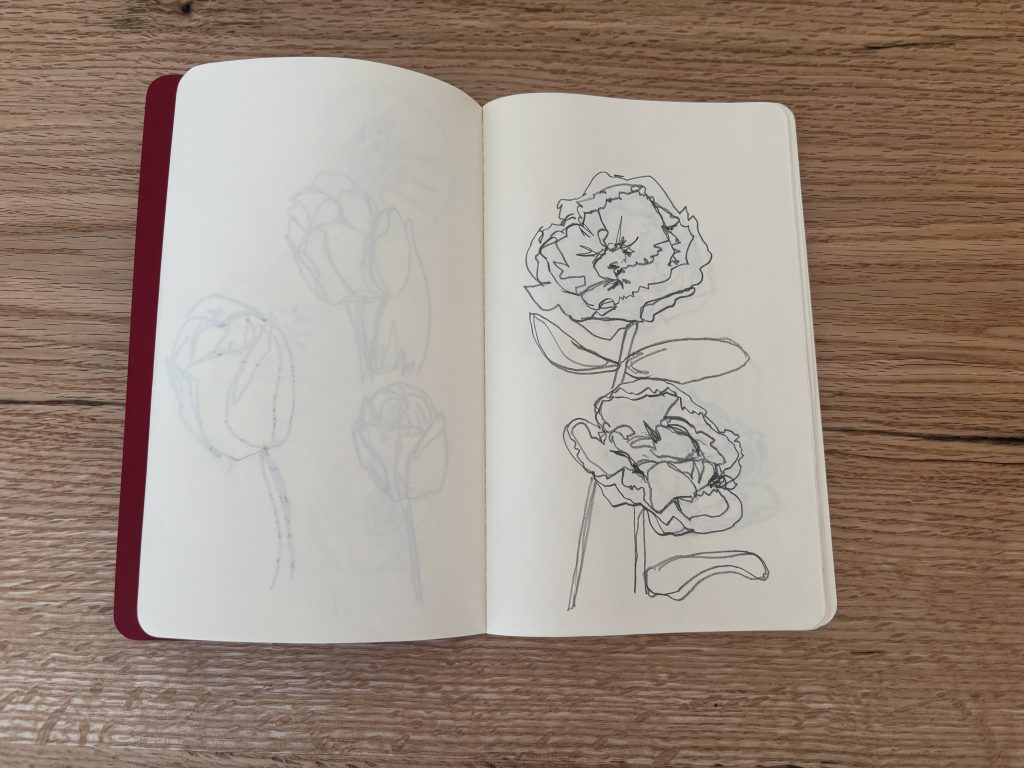
The Moleskine Art sketchbook earns its place here not because the paper is exceptional, but because the format is. The hardcover holds up to bag-tossing and daily carry in a way that softer-cover pads don’t, and the compact size means it genuinely goes with you. At 165gsm, the paper is solid for pencil and light ink. If consistency of use matters more to you than maximizing paper quality, this is the pick.
I like to use this sketchbook while traveling! If you’re interested in other portable options, see my best sketchbooks for travel guide.

Pros:
- Durable hardcover survives bag and pocket carry
- 165gsm paper works well for pencil and ink
- Compact size encourages daily use
Cons:
Paper isn’t ideal for marker or wet media
Higher price per page than comparable pads
4. Arteza Sketch Pad — Best for Volume Practice
If your goal is to draw more pages faster — drills, gesture practice, repetition — the Arteza Sketch Pad is hard to beat on price. The 110gsm paper is light, and you won’t reach for it for anything serious, but that’s not the point. Cheap paper removes the psychological barrier to filling pages quickly, which is exactly what early skill-building requires.
Pros:
- Very affordable, especially in multi-pack options
- Light paper is fine for pencil and dry media practice
- Good for high-volume repetition without guilt
Cons:
Less durable for long-term keeping
110gsm paper doesn’t handle ink or markers well
Frequently Asked Questions
What’s the best sketchbook brand for beginners?
Strathmore is the most consistently recommended brand at the beginner level, and the 400 Series Drawing is the specific pad to start with. It’s available everywhere, the paper quality is reliable, and it’s priced fairly for what you get. Moleskine is a strong second if portability is your main concern.
Do I need heavy paper (200gsm+) as a beginner?
No. 200gsm+ paper is designed for wet media like watercolor and ink washes that require absorbency without warping. If you’re starting with pencil or light ink, 100–165gsm is plenty. Save the heavy paper for when you’ve identified a specific technique that actually needs it.
How many sketchbooks should I buy to start?
Buy one. Use it up before buying another. The instinct to stock up on supplies before developing a habit is one of the most common beginner traps — it creates a false sense of preparation without any actual drawing. Pick one of the options above, fill it, then decide what you want differently next time.
Final Recommendation
For most beginners, the Strathmore 400 Series Drawing is the right call — the paper weight, surface quality, and price hit the sweet spot without overthinking it. Start with the spiral pad before committing to a hardbound version. If your budget is tight and you’re still deciding whether drawing will stick, the Canson Universal is a reasonable way to find out cheaply. And if you know you’ll carry a sketchbook everywhere, the Moleskine is a smarter long-term investment than replacing flimsy pads every few months.
Leave a Reply